
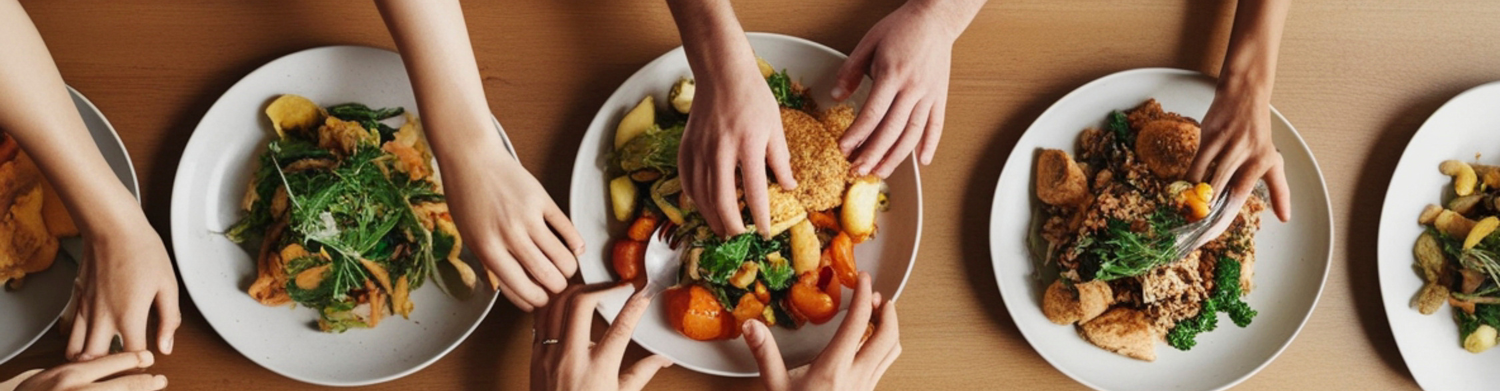
What Is the Microbiome Diet?
Gut health is now linked to a lot pf processes from digestion and immunity to even metrics such as mood and weight. As interest in the gut and its health grows, so do eating plans that support a healthier gut. A microbiome diet can help support your gut and improve your health.
Your microbiome is the community of trillions of bacteria, fungi, and other microorganisms that live in your gut. A diverse microbiome is linked to better digestion, a stronger immune response, and overall well-being. Diets that focus on the microbiome work to rebuild a healthy balance of gut bacteria, reduce inflammation, and support metabolism through food.

What Do You Eat on the Microbiome Diet?
A common question is: what do you eat on the microbiome diet? A microbiome diet emphasizes whole, minimally processed foods to help build a healthy balance of bacteria in your gut.
Some examples of foods you can include in a microbiome diet include:
• Non-starchy vegetables such as asparagus, carrots, leafy greens, and cauliflower
• Prebiotic-rich foods like garlic, onions, leeks, and Jerusalem artichoke
• Fermented foods such as sauerkraut and kimchi
• Wild, low-mercury fish and grass-fed meats
• Select fruits including apples, berries, kiwi, and grapefruit
• Nuts, seeds, chickpeas, and lentils
• Healthy fats like olive oil, avocado, and ghee
• High-mercury fish and processed meats
How Does Diet Affect the Gut Microbiome?
Research suggests that what you eat can quickly change the makeup of your gut bacteria. Plant-based eating patterns have been linked to greater microbial diversity, which is generally considered a marker of gut health. Probiotic foods add beneficial bacteria, while prebiotic foods provide fiber that feeds them.
You diet shapes you gut and your gut health impacts your overall health. However, individual responses to foods can vary widely. It is recommended that you talk to your healthcare provider before making significant changes to your diet.
Possible Benefits and Limits of a Gut Healing Diet
Like any structured eating plan, the microbiome diet has both strengths and drawbacks that you may need to consider.
Benefits
• Higher intake of fiber, vegetables, and fermented foods
• Lower intake of added sugar and ultra-processed foods
• Encourages cooking with whole ingredients
Potential Drawbacks
• May be restrictive for some individuals
• May cause digestive discomfort
Is the Microbiome Diet Right for You?
A healthy, diverse gut microbiome is connected to digestion, immune function, metabolism, mood, weight, and overall well-being. Your diet can influence the makeup of gut bacteria, and plant-based foods, probiotics, and prebiotics may all play a role in improving microbial diversity. The microbiome diet offers a structured approach to gut health by emphasizing whole, minimally processed foods that may help promote beneficial gut bacteria and reduce inflammation. As always, speak to your healthcare provider before making changes to your diet.
References
Amazon: Microbiome Diet: The Scientifically Proven Way to Restore Your Gut Health and Achieve Permanent Weight Loss
Healthline: The Microbiome Diet: Can It Restore Your Gut Health?
Medical News Today: What Is the Microbiome Diet?
Indigo: Microbiome Diet: The Scientifically Proven Way to Restore Your Gut Health and Achieve Permanent Weight Loss
HUM Nutrition: I Tried the Microbiome Diet for 21 Days. Here’s My Honest Review