
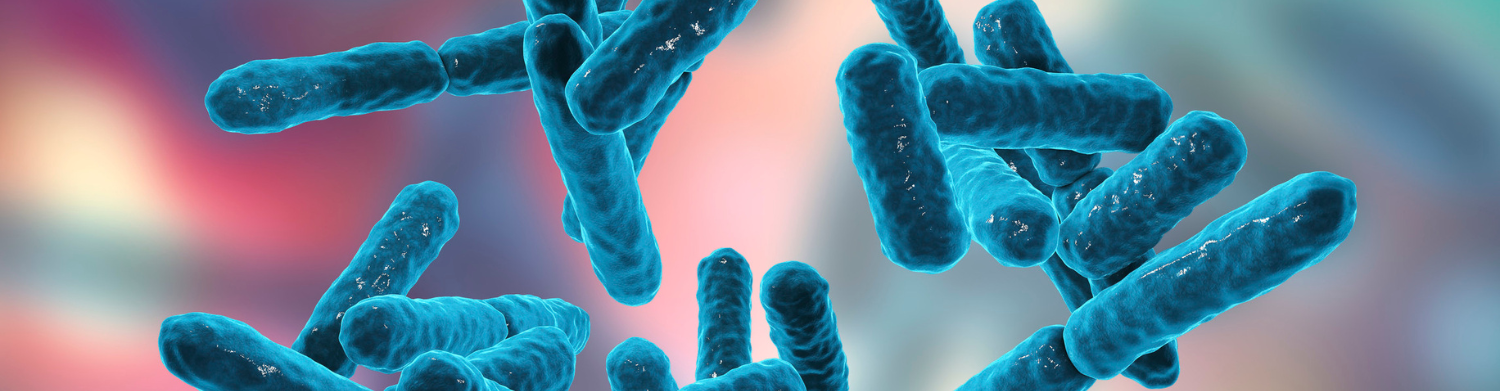
Bifidobacterium Probiotic
Bifidobacterium Probiotic
Your gut is home to trillions of bacteria, and many of them work hard to keep you healthy. One of the largest and most important groups is called Bifidobacterium. A bifidobacterium probiotic is available in many supplements sold today, and it’s also added to yogurt and other fermented foods.
What Is a Bifidobacterium Probiotic?
Bifidobacterium is a family or genus of friendly bacteria that live mostly in the gut. They are found in healthy babies, children, and adults, and they are some of the first bacteria to settle in a newborn’s gut, especially in breastfed infants. Their numbers tend to drop as we get older, but most people still carry some bifidobacteria throughout life.
A probiotic is a live microbe, taken in food or supplements, that may bring a health benefit. There are many different species of bacteria, and Bifidobacterium bifidum, Bifidobacterium longum, and Bifidobacterium lactis are some of the most studied. Each species also has even smaller groups called strains, and different strains may act in different ways inside the body.

How Does Bifidobacterium Work?
Bifidobacterium live mainly in the large intestine, where they break down fibers and sugars that your body cannot digest on its own. As they do this work, they produce short-chain fatty acids such as acetate and butyrate, which help feed the cells that line your gut.
A bifidobacterium probiotic may support your body in several other ways too:
- It helps crowd out harmful bacteria
- It supports the gut lining, which acts as a protective barrier
- It supports a balanced immune response
- It helps the gut keep a regular rhythm
These effects can vary from strain to strain, so not every bifidobacterium probiotic works in exactly the same way. Some are studied for very specific health goals, while others are part of broader probiotic blends.
What Are the Benefits of Bifidobacterium?
Research on Bifidobacterium and related species points to several possible benefits, though results vary from person to person.
Most of the studies focus on digestion. A bifidobacterium probiotic may help with:
- Irritable bowel syndrome (IBS), a common gut condition
- Bloating and irregular bowel habits
- Recovery of healthy gut bacteria after a course of antibiotics
Other research looks at immune support. Bifidobacteria help the immune system develop, especially in early life, which may be one reason these bacteria are so common in infants.
Scientists are also studying links to atopic dermatitis, a skin condition often called eczema, as well as allergies, mood, and sleep. The benefits of bifidobacterium also depend on the strain used, the dose, and the person taking it. It is recommended you talk to a healthcare practitioner before starting a probiotic for a specific health goal.
Bifidobacterium and the Gut–Skin Axis
There is an important link between the gut and the skin called the gut–skin axis. The idea is simple: the bacteria living in your gut help shape how your immune system responds, and some of those responses show up on your skin.
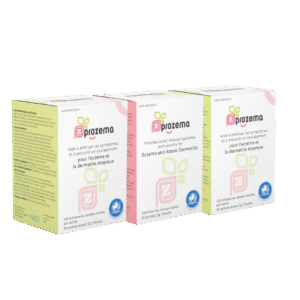
In children with eczema, this connection has drawn growing attention. Some studies suggest that children with atopic dermatitis have an imbalance in their gut bacteria, and researchers have explored whether certain probiotic strains, including specific bifidobacterium species, may help support healthy skin by supporting the gut. This is the thinking behind ProZema, a probiotic developed with eczema-prone skin in mind.
How to Choose a Bifidobacterium Probiotic
Many supplements combine Bifidobacterium with Lactobacillus, another helpful family of bacteria. These multi-strain blends are common because the two tend to work in different parts of the gut. When you are choosing a bifidobacterium probiotic, it helps to:
- Look for the full name of each strain on the label, including the letters and numbers
- Check the CFU (colony-forming unit) count, which tells you how many live bacteria are in each dose
- Store the product the way the label tells you, since some need to be refrigerated
- Choose products that have been tested by a third party where possible
It is recommended that you speak with a doctor before taking any probiotic. Also, if you are giving a probiotic to a child, always check with your pediatrician first.
Conclusion
A bifidobacterium probiotic may offer real support for gut, immune, and even skin health, especially when it is matched to the right person and the right goal. The research is growing, and it is important you find clinically proven probiotics to fit your needs. Speak to your healthcare practitioner about whether a bifidobacterium probiotic is right for you or your child.
References
WebMD: Bifidobacterium Bifidum: Uses, Side Effects, Interactions, Pictures, Warnings & Dosing
PubMed Central: Recent Development of Probiotic Bifidobacteria for Treating Human Diseases
Amazon.ca: Bifidobacterium
Wikipedia: Bifidobacterium
Healthline: Bifidobacterium Bifidum: Benefits, Side Effects, and More