
The Microbiome Connection
The Microbiome Connection: How Your Gut and Brain Work Together
Have you ever felt “butterflies in your stomach” before a big event, or described bad news as “gut-wrenching”? These everyday phrases point to something real. Your gut and your brain are in constant conversation, and the trillions of microbiomes living in your digestive system, known as your gut microbiome, are part of that conversation.
Understanding this microbiome connection can help you make small, daily choices that support your whole body.
What Is the Gut-Brain Connection?
The gut-brain connection is a constant back-and-forth. Your digestive system and your central nervous system send signals in both directions, and a problem in one area can show up as symptoms in the other. Doctors and researchers call this network the gut-brain axis.
Meet Your Gut’s “Second Brain”
Your gut has its own nervous system, called the enteric nervous system. With more than 500 million neurons, it’s the most complex network of nerves outside your brain, and it can sense what’s happening in your gut and respond on its own. Some scientists call it a “second brain.”
The main link between this “second brain” and your brain is the vagus nerve, one of 12 nerves that run from your brain through your body. It carries information from your gut up to your brain and carries response signals back down. Together, these parts make up what’s sometimes called the gut axis.
The Microbiome’s Role in Whole-Body Health
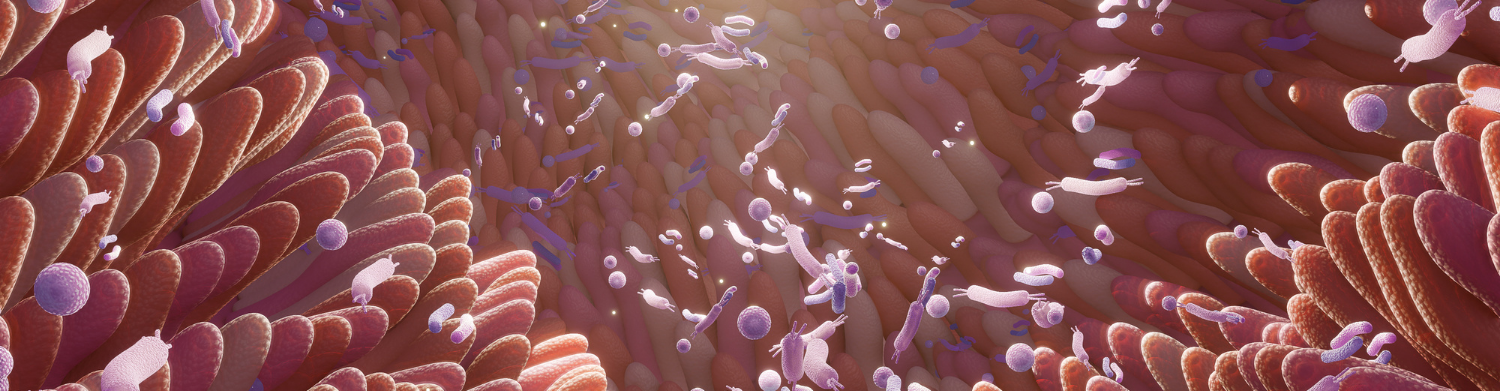
The role of the gut in health and disease starts with its trillions of residents. Your gut microbiome is a community of bacteria, viruses, and fungi that live inside your digestive tract. It contains an estimated 38 trillion microbes, and its makeup shifts based on your diet, exercise, medications, and other factors.
This link between gut and health goes well beyond digestion. This community does far more than help you digest food. It also:
- Releases hormones that control other body functions
- Helps regulate cholesterol levels
- Supports your immune system by fighting off harmful bacteria and viruses
- Produces neurotransmitters that help regulate mood
- Creates enzymes that help your body make vitamins

When the Gut-Brain Axis Falls Out of Balance
The gut microbiome and brain communicate largely through the vagus nerve, and it’s a two-way street. This gut and brain connection can fall out of sync, a state called dysbiosis, which may send the wrong signals to the brain and body. Research has linked dysbiosis to several conditions, including:
- Type 2 diabetes
- Heart disease and stroke
- High cholesterol
- Digestive issues
- Skin conditions
- Anxiety and depression
- Inflammatory diseases
Everyday Habits That Support a Healthy Gut-Brain Axis
While the science is still developing, a few everyday habits are consistently linked to a healthier gut-brain axis.
Eat and Move for Your Microbiome
A healthy gut diet is one of the most direct ways to support this connection. Aim for plenty of:
- Vegetables, fruit, legumes, whole grains, and nuts
- Omega-3-rich fish
- Foods high in polyphenols, like berries and olive oil
- Fermented foods, like yogurt and sauerkraut
Limit alcohol, added sugar, and heavily processed foods, which may harm the microbiome. Regular movement matters too. Aim for at least 150 minutes of aerobic activity each week, plus muscle-strengthening exercise twice a week.
Manage Stress and Prioritize Sleep
Chronic stress can reduce the amount of helpful bacteria in your gut, so regular breaks for things you enjoy can help. Sleep matters just as much, since ongoing sleep deprivation may damage the microbiome. Aim for seven to eight hours a night, with a consistent bedtime, a dark and quiet room, and no screens for an hour beforehand.
A Word on Probiotic Supplements
Probiotics are living bacteria that can support your microbiome, but they aren’t one-size-fits-all. They act directly on the gut brain axis, so a probiotic supplement only helps with a specific issue if it contains the right strain in the right amount. Taking the wrong one can actually contribute to dysbiosis instead of relieving it.
Before adding any probiotic to your routine, it’s worth talking with your healthcare provider about which strain fits your needs.
The Bottom Line
The microbiome connection between your gut and your brain is a two-way relationship, and it touches more than digestion, from your mood to your heart health. Researchers are still studying this connection, but a few everyday habits can help maintain this axis. If you have ongoing digestive or even skin symptoms, speak with a healthcare professional who can help you understand what’s happening and plan the right next steps.
References
Amazon: The Microbiome Connection: Your Guide to IBS, SIBO, and Low-Fermentation Eating
Indigo: The Microbiome Connection: Your Guide to IBS, SIBO, and Low-Fermentation Eating
Cleveland Clinic: What Is the Gut-Brain Connection?
Heart and Stroke Foundation: Nurturing Your Gut-Brain Connection for Whole Body Health
Goodreads: The Microbiome Connection: Your Guide to IBS, SIBO, and Low-Fermentation Eating by Mark Pimentel