

Microbiome Eczema
Microbiome Eczema: What Your Gut And Skin Bacteria Reveal
Eczema can turn daily life into a cycle of itching, broken sleep, and frustration. Creams can calm the skin, but researchers are now looking deeper. A growing body of research links eczema to the microbiome, the community of tiny organisms that live on and inside your body.
Here is what the science says about eczema and gut health, and where probiotics fit in.
What Is The Microbiome?
The microbiome is the mix of bacteria, viruses, and fungi that live on your skin and in your gut, mouth, and lungs. More than 1,000 types of bacteria live on the skin alone. Your immune system relies on these microbes to work properly. More than 70% of your immune cells sit in the lining of the gut. A diverse microbiome, with many kinds of helpful bacteria, tends to support healthy skin and a balanced immune response.
Microbiome Eczema And Your Skin
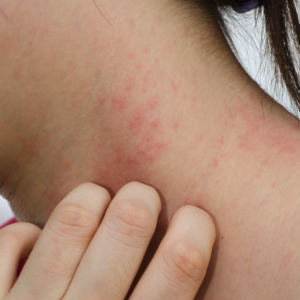
Atopic dermatitis is the most common form of eczema. It is a long-lasting inflammatory condition that causes dry, itchy skin. In people with atopic dermatitis, the bacteria on the skin often become less diverse. One type, Staphylococcus aureus (S. aureus), tends to take over. A study of children with eczema found more S. aureus on the skin during flare-ups, and higher levels were linked to more severe symptoms.
Helpful skin bacteria normally keep S. aureus in check. In eczema, these protective bacteria are present in lower numbers. Effective eczema treatment can help restore diversity to the bacteria on your skin.
Eczema And Gut Health: The Gut-Skin Axis
The gut-skin axis describes the two-way link between your gut and your skin. Gut bacteria help train and regulate your immune system, which can in turn affect the skin. Some studies have found that people with atopic dermatitis have a less diverse gut microbiome. Children with eczema tend to carry fewer Bifidobacterium, a helpful type of gut bacteria. Infants with fewer beneficial gut bacteria in their first year also appear more likely to develop eczema later.
Gut bacteria may even influence itch. Certain Lactobacillus and Bifidobacterium species produce a calming compound called GABA, which may help reduce itch signals in the skin.
What Can Upset The Balance?
Researchers point to several factors that can reduce microbial diversity:
- Genetics
- Diet
- Antibiotics
- Birth by Caesarean section
- Overly clean living spaces
- Air pollution
- Stress
Probiotics And Eczema: What Does The Research Say?
Probiotics are live, helpful bacteria, taken as supplements or found in fermented foods. Researchers have studied probiotics for eczema in two main ways.
Helping To Prevent Eczema In Infants
In one trial, infants who took Lactobacillus rhamnosus and Bifidobacterium animalis daily for six months were less than half as likely to develop eczema during that time. Other studies found that when mothers took certain Lactobacillus probiotics during pregnancy, their children had a lower chance of developing eczema.
Easing Symptoms In Existing Eczema
For people who already have eczema, findings show that the strain matters. Each strain affects the immune system differently, and some have lowered eczema severity scores in children compared with a placebo, an inactive look-alike.
Experts also note that the immune system in atopic dermatitis is already overactive, so it calls for strains suited to the condition rather than products marketed to boost immunity.
Microbial Eczema Treatment
Microbial eczema treatment aims to restore a healthier balance of bacteria rather than simply wiping out the harmful ones.
ProZema is one example of a targeted oral probiotic for eczema. It combines three strains (B. lactis CECT 8145, B. longum CECT 7347, and L. casei CECT 9104) that have been clinically evaluated in children with moderate atopic dermatitis. ProZema is taken as one stick daily and is designed to complement, not replace, your child’s eczema care.
Key Takeaways On Microbiome Eczema
Microbiome eczema research is still developing, but the picture is getting clearer:
- Eczema has links to lower bacterial diversity on the skin and in the gut
- The gut-skin axis helps explain how gut bacteria can influence skin inflammation
- Eczema probiotics show the most consistent results for prevention, while benefits for existing eczema depend on the strain
It is always recommended to speak to your healthcare practitioner before starting probiotics for yourself or your child. They can help you decide what fits safely with your current eczema care. Speak to your family doctor about ProZema today.
References
Pierre Fabre Eczema Foundation: The Gut Microbiome and Eczema: How Are Probiotics Beneficial?
PMC: Microbiome in the Gut-Skin Axis in Atopic Dermatitis
ZOE: How Is Eczema Linked to Gut Health?
National Eczema Association: The Human Skin Microbiome and Its Changes in Atopic Dermatitis
Elsevier: Change in Gut Microbiota for Eczema: Implications for Novel Therapeutic Strategies