
Atopic Dermatitis in Canada
Atopic Dermatitis in Canada: What Families Should Know About Eczema
If your child has itchy, irritated skin that keeps coming back, you are not alone. Atopic dermatitis is the most common form of eczema, and it affects millions of Canadian families. The good news is that it can be managed.
What Is Eczema? Understanding Atopic Dermatitis
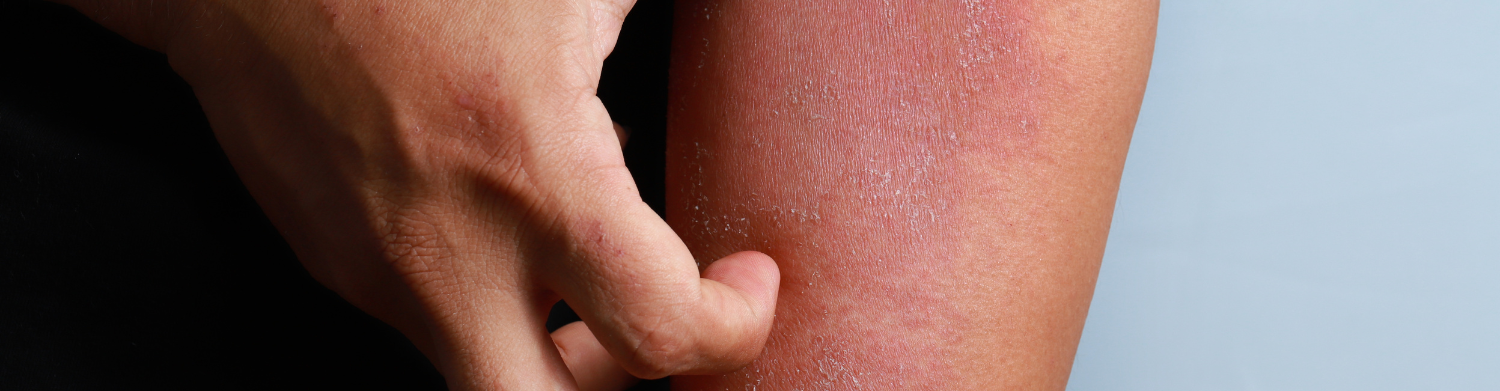
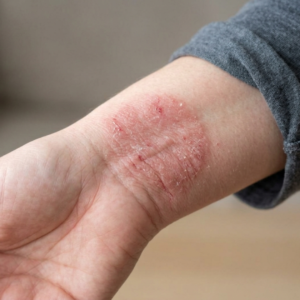
Eczema is the name for a group of conditions that cause inflammation of the skin. Doctors also call it dermatitis. Inflamed skin is usually red, itchy, bumpy, and swollen, and it may ooze or crust. On darker skin tones, eczema can look ashen brown or grayish instead of red.
Atopic dermatitis is the most common type of eczema. It usually starts in infancy or before age five. It often appears behind the knees, inside the elbows, and on the face, neck, and hands.
The terms atopic eczema and atopic dermatitis describe the same condition. One important fact for worried parents is that eczema is not contagious.
How Common Is Atopic Dermatitis in Canada?
Atopic dermatitis in Canada is more common than many people realize. It affects 10 to 15 per cent of Canadian children under five. It is also estimated that up to 17 per cent of Canadians will experience atopic dermatitis at some point in their lives. While some children outgrow the condition, about 40 per cent continue to live with it as adults. The number of people with eczema in Canada is actually higher than the worldwide average.
What Is Eczema Caused By?
Researchers point to two linked explanations. First, people with atopic dermatitis may be prone to excess inflammation. Second, their skin barrier may not protect them the way healthy skin does. This allows irritants to reach deeper layers of the skin, which can trigger itching and redness.
This form of eczema also tends to run in families with a history of hay fever and asthma. Flare-ups can be set off by common triggers such as:
• Fragranced products and harsh soaps
• Dust and animal dander
• Smoke
• Stress
• Extreme heat or cold
Sometimes a flare happens with no clear trigger at all.
Eczema Treatment: How to Manage Flare-Ups
There is no single cure for eczema. Effective eczema treatment usually combines three steps:
• Bathing and moisturizing to repair the skin
• Therapies to reduce inflammation
• Identifying and avoiding your triggers
Bathing and Moisturizing
Keep baths or showers short, about 5 to 10 minutes, and use warm (not hot) water without soap or bubble bath additives. Afterward, gently pat the skin dry and apply moisturizer. Frequent moisturizing helps hydrate the skin because the natural barrier does not hold moisture well in people with eczema.
Therapies and Trigger Avoidance
Health Canada has approved many treatments for atopic dermatitis, from topical creams and ointments to newer options such as probiotics. Every option has benefits and risks, so treatments should always be used as prescribed by your healthcare provider. At home, choose mild, fragrance-free detergents and dress your child in cotton rather than wool or synthetics.
Can Eczema Be Cured Permanently?
Many people search for how to cure eczema permanently, but there is currently no cure. Eczema is a chronic condition, which means its symptoms can come and go. That said, it can be managed well.
The goal is to calm inflammation during flares and protect the skin between them. Some children outgrow atopic dermatitis over time, while others manage it successfully into adulthood.
Living Well with Atopic Dermatitis in Canada
Atopic dermatitis in Canada touches families in every province. Daily skin care, trigger awareness, and the right treatment plan can make a real difference. It is always recommended to speak to your family doctor or dermatologist about your or your child’s eczema. They can help you create a management plan tailored to your specific symptoms and lifestyle.
References
Canadian Dermatology Association: Eczema
Eczema Society of Canada: Treating Atopic Dermatitis
Eczema Society of Canada: Educational Resources
Canadian Skin Patient Alliance: Atopic Dermatitis (Eczema)
Food Allergy Canada: Eczema