
Atopic Dermatitis Treatment
Atopic dermatitis, also known as eczema, is a skin condition that can cause a lot of discomfort and impact your child’s daily life. It is the most common type of eczema in children and affects millions of families worldwide. If your child has itchy, dry, irritated skin that keeps coming back, you are not alone.
There is currently no cure, however, today’s treatments can keep symptoms under control and help families get back to comfortable days and restful nights.
What Is Atopic Dermatitis?
Atopic dermatitis is a chronic skin condition that causes itchy, dry, and discolored patches of skin. It is the most common form of eczema, and the two terms, atopic dermatitis and eczema, are often used to mean the same thing. This condition usually first appears in early childhood and can flare up throughout a person’s life.
It is not contagious and occurs when the skin’s protective barrier and the immune system are not working together the way they should.
Common Symptoms and Where They Appear
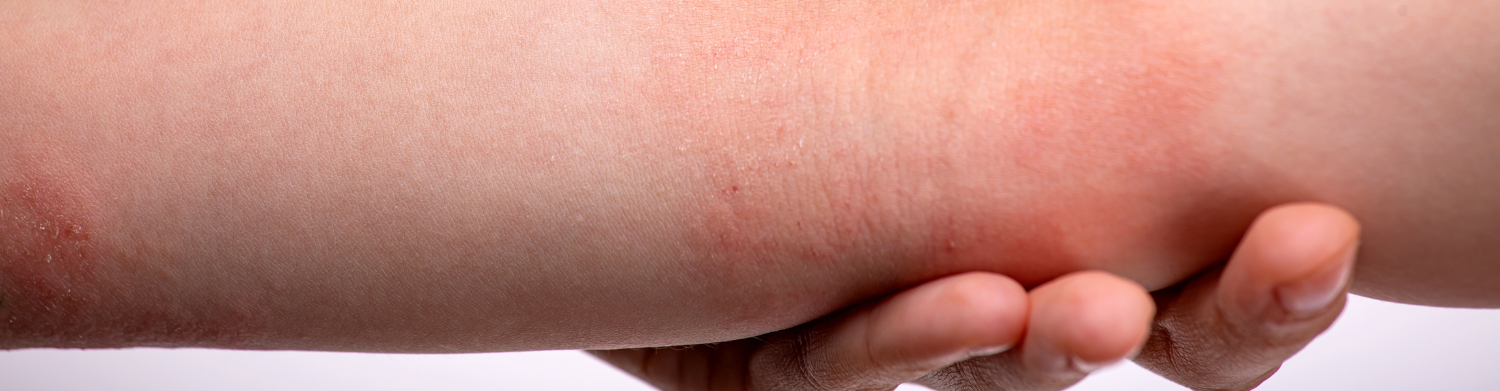
Eczema can look different depending on a person’s skin tone. On lighter skin it can look red. On darker skin it may appear brown, purple, or gray, or as a patch that looks darker or lighter than the surrounding skin. Common eczema symptoms include intense itch, dryness, cracking, scaling, swelling, and sometimes small fluid-filled bumps.
The rash can appear anywhere on the body, but it commonly shows up in the bends of the elbows and knees, on the hands, and on the face. Eczema on the face is especially common in babies and toddlers. Symptoms can range from mild to severe, and they may come and go in flare-ups.
What Causes Eczema Flare-Ups?
Researchers believe eczema is caused by a mix of genes, a weakened skin barrier, and an over-reactive immune response. If a parent has eczema, asthma, or hay fever, a child is more likely to develop it too. The skin loses moisture more easily and reacts more strongly to things in the environment.
Common triggers include:
• Harsh soaps and fragrances
• Wool or other scratchy fabrics
• Sweat, heat, or cold
• Dust mites
• Certain foods
• Stress
Identifying and avoiding your child’s personal triggers is one of the most useful steps you can take to manage their atopic dermatitis.
Daily Skin Care: The Foundation of Eczema Treatment
Daily skin care is a key eczema treatment. The goal is simple: keep the skin’s barrier hydrated so it can do its job.
Give short baths or showers, about 5 to 10 minutes, using warm (not hot) water and a gentle, fragrance-free cleanser instead of regular soap. Pat the skin dry, then apply an eczema cream, ointment, or other moisturizer (often called an emollient) within a few minutes, while the skin is still damp. Moisturize at least twice a day, every day, even when the skin looks clear. When choosing a cream for eczema, look for products that are free of dyes, alcohols, and fragrances. A humidifier can also help in dry indoor air.
Medical Atopic Dermatitis Treatment Options
When moisturizing alone is not enough, your healthcare provider may recommend additional treatment. The right approach depends on your child’s age, the severity of the eczema, and how the skin has responded so far.
The most common first step is often a prescription cream or ointment applied to the skin. These include:
• Topical corticosteroids
• Topical calcineurin inhibitors
• PDE4 inhibitors
• Topical JAK inhibitors
Each one works a little differently and needs to be used as directed by the prescriber.
For moderate to severe atopic dermatitis that does not improve with skin care and topical treatments, a dermatologist may discuss other options, such as:
• Light therapy (phototherapy)
• Biologic injections
• Oral JAK inhibitors
These are decisions to make together with a specialist, who can weigh the benefits and risks for your child.
Can Eczema Be Cured?
Many families ask: is eczema curable? At this time, there is no permanent cure. Eczema is a chronic condition, however, with the right routine and treatment plan, most people experience long periods of clear or near-clear skin.
Working With Your Care Team
Effective atopic dermatitis treatment usually combines daily skin care, trigger avoidance, and the right medications for your child’s severity.
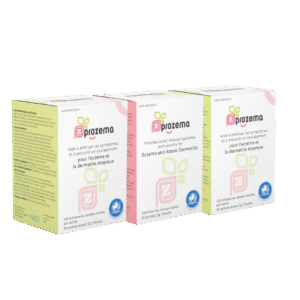
Some families also ask about natural, microbiome-based options they can add to their child’s routine. ProZema is a Health Canada licensed oral probiotic (NPN 80105914) that helps reduce the symptoms of atopic dermatitis in children aged 4 and older. Rather than treating the skin from the outside, it works from within by supporting the balance of bacteria along the gut-skin axis, the connection between the gut and the skin.
If flare-ups are getting worse, sleep is suffering, or current treatments are not helping, it is important to speak to your family doctor or dermatologist. They can help you create an eczema management plan tailored to your child’s symptoms and lifestyle. With a tailored plan and steady support, families can meaningfully reduce the impact eczema has on daily life.
References
Mayo Clinic: Atopic Dermatitis (Eczema) – Diagnosis and Treatment
Cleveland Clinic: Atopic Dermatitis: Symptoms, Causes & Treatment
Eczema Society of Canada: Treating Atopic Dermatitis
NHS: Atopic Eczema
American Academy of Dermatology: Eczema Types: Atopic Dermatitis Diagnosis and Treatment