
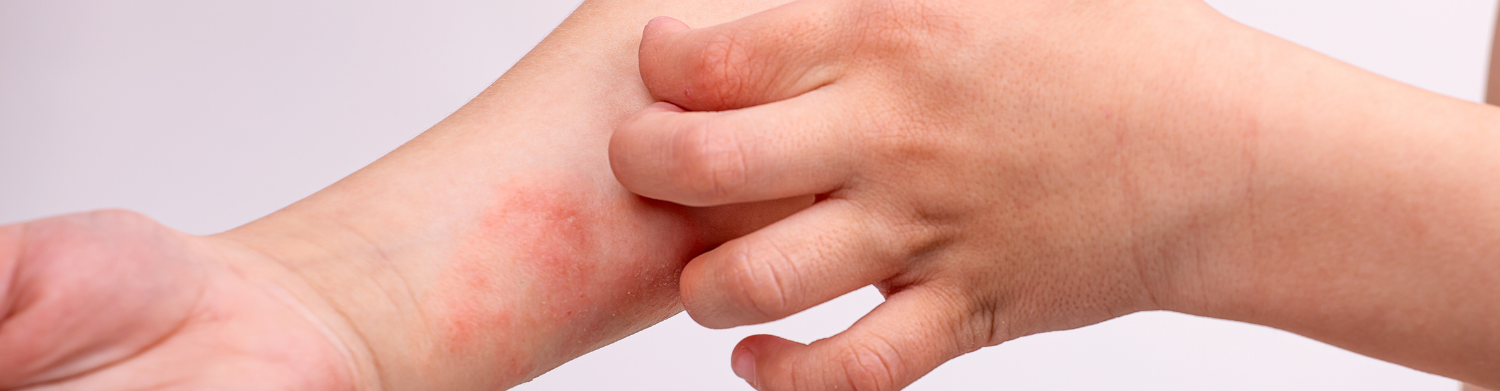
Atopic Dermatitis vs Allergic Contact Dermatitis
Atopic Dermatitis vs Allergic Contact Dermatitis: What’s the Difference?
Itchy, red, and inflamed skin can have more than one cause. Two of the most common are atopic dermatitis and allergic contact dermatitis, and they can look a lot alike. Understanding atopic dermatitis vs allergic contact dermatitis can help you and your healthcare provider figure out what’s behind your rash, and how to manage it.
What Is Dermatitis?
Dermatitis is a general term for skin inflammation. Dermatitis is not contagious and having it doesn’t mean your skin is unclean or infected. There are several types of dermatitis, and their causes vary. Two of the most confused are atopic dermatitis and allergic contact dermatitis.
Atopic Dermatitis vs Allergic Contact Dermatitis: What Sets Them Apart
Atopic dermatitis, often called eczema, is a chronic condition that tends to run in families. It’s linked to a gene change that reduces a skin-barrier protein called filaggrin. Without enough of this protein, the skin becomes more porous, loses moisture more easily, and lets in irritants and allergens more easily too.
Over time, this makes the skin dry, itchy, and reactive.
Allergic contact dermatitis works differently. It occurs when your skin touches a substance it’s sensitive to, called an allergen. Unlike atopic dermatitis, it isn’t genetic and doesn’t run in families. Instead, it develops after direct contact with triggers such as perfumes, personal care products, nickel in jewelry, or plants like poison ivy.
In the broader dermatitis vs eczema conversation, it helps to remember that eczema is simply another name for atopic dermatitis, while contact dermatitis is a separate, trigger-driven condition. It’s also possible to have both at the same time.
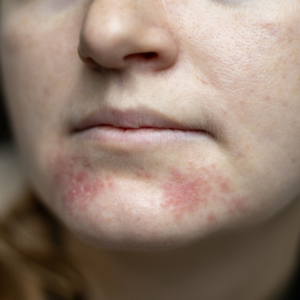
Comparing the Symptoms
Atopic dermatitis and allergic contact dermatitis can look similar on the skin, but the pattern is different.
Signs of atopic dermatitis can include:
• Red, itchy, dry, or scaly skin
• Small, raised bumps that may blister, crack, or ooze when scratched
• Outbreaks in the folds of the elbows, behind the knees, on the neck, or around the eyelids
Signs of allergic contact dermatitis can include:
• A red, itchy rash with dry or cracked skin
• Raised bumps that may crack and ooze
• Swelling, burning, or tenderness
The main difference is where the rash shows up. Contact eczema symptoms usually stay limited to the patch of skin that touched the allergen, rather than spreading to multiple areas of the body.
Where Rashes Show Up on the Body
Atopic dermatitis flares can appear on both sides of the body at once, such as both elbows or both legs, and may come and go over months or years without warning. Allergic contact dermatitis usually shows up within minutes to hours after contact, and stays limited to where the skin touched the trigger, whether that’s dermatitis on the face from a new skincare product or a rash from jewelry. If you think you may have either of these conditions, it is recommended to have a healthcare provider confirm which type you have through an in-person exam.
Treatment and Everyday Management
Many at home basics management tips apply to both conditions: keep skin moisturized, bathe in lukewarm rather than hot water, use a gentle unscented soap, and avoid scratching.
Contact dermatitis tends to improve once the allergen or irritant is identified and avoided, which makes it more straightforward to manage. Atopic dermatitis, on the other hand, is usually a lifelong condition. Since its symptoms can come and go, healthcare providers often build an individualized care plan that may include moisturizers, topical medications, or other treatments.
Anyone living with atopic dermatitis may also look into complementary options alongside their dermatologist’s plan. ProZema is a Health Canada licensed oral probiotic formulated to help reduce eczema symptoms by supporting healthy microbiome balance along the gut-skin axis. If you are struggling with your atopic dermatitis or eczema symptoms, speak to you healthcare provider about ProZema.
Speak to a Healthcare Provider
When you’re comparing atopic dermatitis vs allergic contact dermatitis, the biggest differences come down to cause and pattern. Atopic dermatitis is a chronic, largely inherited condition, while allergic contact dermatitis is a reaction to a specific trigger. Both can cause similar itching and redness, and both are manageable with the right care. If you notice a persistent or unclear rash, talk to a healthcare provider or dermatologist. They can help identify the type of dermatitis you have and recommend the right next steps.
References
WebMD: Atopic Dermatitis vs. Contact Dermatitis
Medical News Today: What Is the Difference Between Atopic and Contact Dermatitis?
Cleveland Clinic: Dermatitis: Types, Treatments, Causes & Symptoms
Mayo Clinic: Types of Dermatitis
Vujevich Dermatology Associates: Atopic Dermatitis vs Contact Dermatitis