
Probiotic For Atopic Dermatitis
Probiotic For Atopic Dermatitis
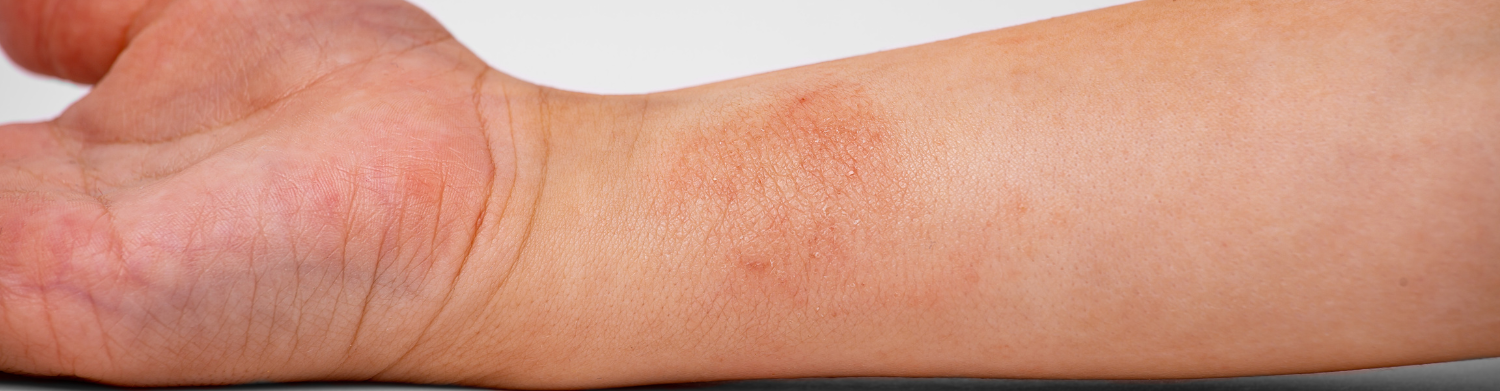
Interest in probiotics and eczema has grown steadily among parents, patients, and clinicians. Atopic dermatitis is a chronic inflammatory skin condition that affects roughly 10 to 20 percent of children worldwide, and many families are looking for options beyond creams and steroids. If you are considering a probiotic for atopic dermatitis, here is what the research currently shows.
What Is In A Probiotic?
Probiotics are live microorganisms that may benefit you when taken in large enough amounts. They are helpful bacteria that already live in your body, including in your gut, mouth, lungs, and skin, and they help keep the balance of bacteria in check.
The two most common probiotic families are Lactobacillus and Bifidobacterium. Both help your body maintain a healthy community of organisms and support your immune response.
You can find probiotics in fermented foods such as:
- Yogurt
- Kefir
- Sauerkraut
- Kimchi
- Kombucha
They also come as probiotic tablets, capsules, and powders. In Canada, most probiotic supplements are sold as natural health products, and only a small number are licensed for eczema specifically.
The Gut-Skin Connection Behind Probiotics And Eczema
Researchers use the term gut-skin axis to describe the two-way conversation between your gut and your skin. Your gut holds trillions of microbes that make up your microbiota. When that balance is disrupted, a state called dysbiosis, it may confuse the immune system and increase inflammation throughout the body, including in the skin.
This is one reason the eczema conversation keeps coming back to gut health. Studies have found that the gut bacteria of both children and adults with atopic dermatitis differ from the gut bacteria of people without the condition. That observation is what led researchers to test whether restoring balance could ease skin symptoms.
Safety And What To Consider Before Starting
Because these microorganisms occur naturally in your body, probiotics are generally considered safe.
However, there are exceptions worth knowing. Reported risks include:
- Allergic reactions
- Worsening allergy symptoms
- Excessive immune activity
- Infection
If you have a weakened immune system, a serious illness, or recent surgery, speak to your healthcare practitioner before starting probiotic tablets or any probiotic for eczema.
Where ProZema Probiotic Fits
ProZema is a Health Canada licensed oral formulation, NPN 80105914, for children ages 4 and older with atopic dermatitis. The product combines three probiotic strains, taken as one stick daily over 12 weeks, and is designed to support microbiome balance along the gut-skin axis.
ProZema is intended to complement dermatology care, not to replace prescribed treatment. Speak to your child’s healthcare provider about where it fits in a broader eczema plan.
Managing Eczema With Good Information
Choosing a probiotic for atopic dermatitis is a decision worth making with good information. Speak to your family doctor or dermatologist before adding any supplement to your routine. They can help you determine whether a probiotic for atopic dermatitis, such as ProZema, fits an eczema management plan tailored to your symptoms and lifestyle.
References
PubMed Central: The Role of Probiotics in the Treatment of Adult Atopic Dermatitis: A Meta-Analysis of Randomized Controlled Trials
ScienceDirect: Probiotic Consumption Alleviates Atopic Dermatitis-Related Immune Responses in Association With Gut Microbial Changes: In Vitro and Mouse Model Studies
MyEczemaTeam: Can Probiotics Help With Eczema? What the Science Says
Frontiers in Nutrition: Probiotics Supplements for the Prevention of Atopic Dermatitis in Children: An Umbrella Review
National Eczema Society: Diet and Eczema