
Eczema on Face
Introduction
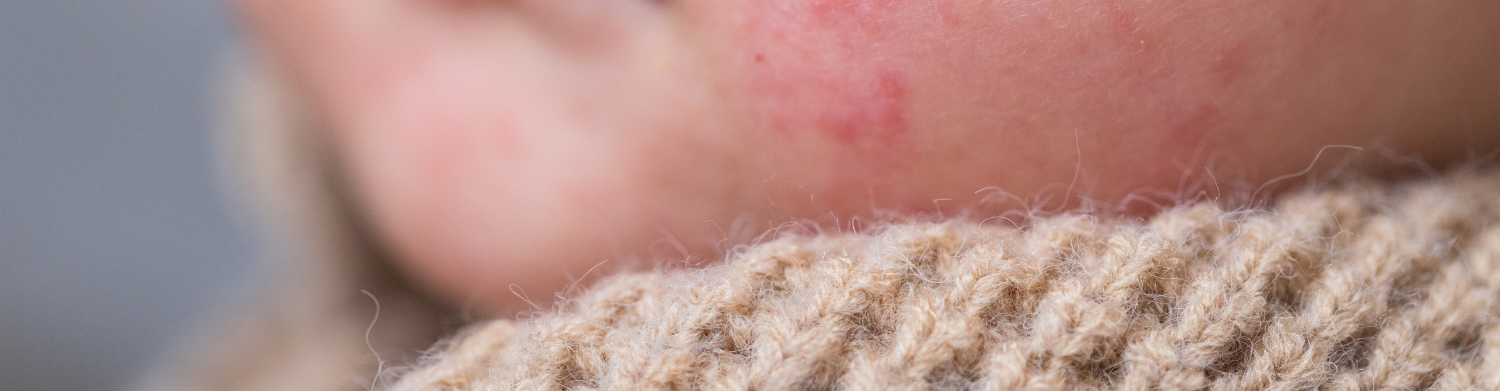
Eczema on the face is a common inflammatory skin condition that can cause dryness, redness, and irritation. While eczema can occur on many parts of the body, the face is particularly sensitive because the skin is thinner and more exposed to environmental factors. Symptoms may appear around the eyes, mouth, nose, ears, or cheeks, and they may vary depending on individual skin sensitivity and triggers.
Understanding the symptoms, possible causes, and ways to manage flare-ups can help you better recognize and cope with eczema when it affects your face.
What Is Eczema and Why It Appears on the Face
Eczema is a general term used to describe a group of inflammatory skin conditions that cause irritation, dryness, and itching. One of the most common types is atopic dermatitis, which often develops in childhood but can also affect adults. Although eczema may occur on many areas of the body, the face is a frequent site of flare-ups.
Facial skin is delicate and exposed to environmental elements such as weather, pollutants, and skincare products. These may contribute to irritation or increased skin sensitivity. Because the face is constantly exposed, symptoms may be more noticeable and may occur intermittently in cycles known as flare-ups.
The role of atopic dermatitis
Atopic dermatitis is widely recognized as the most common form of eczema. It typically involves symptoms such as itching, dryness, and inflammation of the skin. Flare-ups may appear periodically and can vary in intensity from mild irritation to more persistent discomfort.
Why facial skin is more sensitive
Facial skin is thinner than skin on many other parts of the body and contains a more delicate protective barrier. This makes it more susceptible to irritation from environmental triggers, allergens, or skincare products. As a result, eczema symptoms on the face may become visible more quickly than in other areas.
Common Symptoms of Eczema on Face
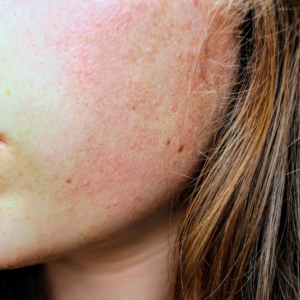
The appearance of eczema on the face can vary depending on the person and the severity of the flare-up. Symptoms may develop gradually and can affect several facial areas including the eyelids, nose, mouth, or ears. One of the most common features of facial eczema is itching.
Scratching irritated skin can worsen inflammation and may lead to increased redness or sensitivity on the face.
Typical visible symptoms
Common signs of facial eczema may include:
- Red or inflamed skin
- Dry or scaly patches
- Swelling or irritation
- Flaking or rough skin texture
These symptoms may come and go over time and may become more noticeable during flare-ups.
Areas commonly affected
Eczema on the face may appear in several specific areas, including:
- Around the eyes or eyelids
- Around the mouth or nose
- On the cheeks or forehead
- Sometimes extending to the neck
Because these areas are highly visible and sensitive, symptoms may feel particularly uncomfortable.
What Causes Eczema on the Face
Eczema typically develops due to a combination of genetic and environmental factors rather than a single identifiable cause. In some cases, facial eczema occurs when the skin barrier becomes weakened or irritated. A compromised skin barrier may allow irritants or allergens to trigger inflammation, leading to symptoms such as redness, dryness, and itching.
Environmental and lifestyle triggers
Several external factors may contribute to facial eczema flare-ups, including:
- Harsh weather conditions or sudden temperature changes
- Skin irritants found in cosmetics or skincare products
- Exposure to pollution or airborne allergens
Because facial skin is frequently exposed to these environmental influences, it may react more quickly to potential triggers.
Allergic or contact reactions
Contact eczema can occur when the skin reacts to substances that come into direct contact with the face. Certain skincare ingredients, fragrances, or chemicals may irritate sensitive skin and lead to localized inflammation. Not everyone reacts to the same substances, which means triggers can vary widely from person to person.

How to Treat and Manage Eczema on Face
Managing eczema on the face generally focuses on protecting the skin barrier and reducing exposure to potential irritants. The most appropriate approach may vary depending on individual triggers, skin sensitivity, and the severity of symptoms. Since the skin on your face is delicate, a key step is to focus on your skin care to maintain skin comfort.
Skincare and gentle routines
A consistent skincare routine may help support the skin barrier. Some commonly suggested practices include:
• Using mild, fragrance-free cleansers
• Avoiding harsh scrubbing or excessive washing
• Applying moisturizers to help maintain hydration
These steps may help reduce dryness and irritation for some individuals experiencing eczema.
Avoiding triggers and flare-ups
Identifying and minimizing exposure to personal triggers can also be helpful in managing your eczema symptoms. Triggers may include:
- Limiting use of irritating skincare products
- Protecting the skin from cold or dry air
- Monitoring reactions to cosmetics or environmental factors
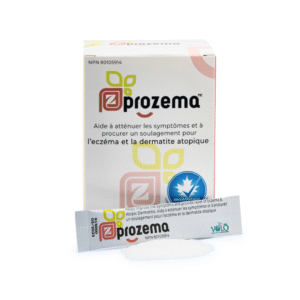
If the eczema on your face persists, speak to your healthcare practitioner about ProZema Probiotic.
When Facial Eczema May Require Medical Attention
Eczema symptoms can vary widely from mild irritation to more persistent inflammation. If the eczema on your face is persistent, worsening or widespread, speak to your healthcare provider. Eczema affecting particularly sensitive areas, such as the eyelids, may also require medical attention.
If your symptoms are interfering with your daily life, it is recommending you speak to your healthcare provider to help create a management plan for your eczema.
Conclusion
Eczema on the face is a common skin condition that can cause redness, dryness, and irritation in sensitive facial areas. These symptoms often appear during flare-ups and may affect areas such as the eyelids, cheeks, mouth, or nose. While the exact causes can vary, eczema often involves a combination of genetic factors, environmental triggers, and skin sensitivity.
Maintaining gentle skincare routines and identifying potential triggers may help reduce flare-ups. If your eczema symptoms on the face persist or worsen, speak to your healthcare provider about management strategies. Ask about ProZema Probiotic to heal your skin from the inside out.
References
Cleveland Clinic: Eczema on Face
WebMD: Eczema on Your Face: How to Manage It
Eucerin: Eczema on the Face
NHS: Atopic Eczema
Pierre Fabre Eczema Foundation: Areas Affected by Eczema: Face