

Understanding Atopic Dermatitis Causes
What Is Atopic Dermatitis?
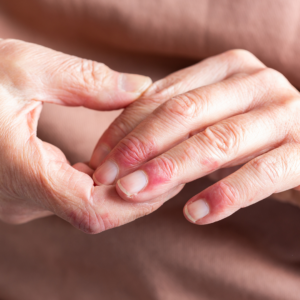
Atopic dermatitis is a chronic inflammatory skin condition commonly referred to as eczema. It is one of the most common forms of dermatitis and often causes symptoms such as itching, redness, dryness, and irritated skin. The condition can affect people of any age, although it frequently begins in infancy or childhood.
For many individuals, atopic dermatitis appears as patches of dry or inflamed skin that may flare up periodically. These flare-ups can vary in severity and may occur in cycles where symptoms worsen and then improve over time.
Although the condition is widely recognized, understanding atopic dermatitis causes is more complex. Researchers and clinicians agree that atopic dermatitis does not have a single cause. Instead, it develops through a combination of genetic predisposition, immune system responses, and environmental influences.
Understanding these factors can help explain why symptoms develop and why triggers may vary between individuals.
Core Atopic Dermatitis Causes: How Multiple Factors Work Together
One of the most important things to know about atopic dermatitis causes is that the condition rarely develops from a single factor. Instead, it typically results from the interaction of several biological and environmental influences.
A key element is the skin barrier, which normally protects the body from irritants, allergens, and microbes. In people with atopic dermatitis, this protective barrier may be weaker than usual. When this happens, external substances can penetrate the skin more easily, leading to irritation and inflammation.
At the same time, the immune system may respond more aggressively to environmental triggers. When irritants or allergens enter the skin, immune responses can trigger inflammation, itching, and visible atopic dermatitis symptoms.
Genetic Factors and Family History
Inherited Skin Barrier Differences
Genetics play a significant role in atopic dermatitis causes. Some individuals inherit traits that affect the structure and function of the skin barrier. When this barrier is less effective, moisture may escape from the skin while irritants and allergens can enter more easily.
This weakened barrier can increase skin dryness and sensitivity, making it easier for inflammation to occur. Research indicates that genetic differences affecting skin protection are one reason some people are more susceptible to developing atopic dermatitis.
Family History of Allergic Conditions
Another important risk factor for atopic dermatitis is family history. People are more likely to develop atopic dermatitis if close relatives have certain allergic conditions.
These conditions may include atopic dermatitis, asthma, and hay fever. These related conditions are part of what healthcare professionals call the “atopic” group of diseases, which share common immune and genetic characteristics.
Immune System Activity and Inflammation
The immune system also plays a central role in dermatitis and eczema causes. In individuals with atopic dermatitis, the immune system may react more strongly to certain environmental triggers.
When the skin encounters irritants or allergens, immune cells may release inflammatory chemicals. This process can lead to redness, swelling, itching, and skin irritation.
Scratching, which often occurs because eczema is intensely itchy, can further damage the skin barrier and worsen inflammation. This creates a cycle where irritation and scratching reinforce each other.
Environmental and Lifestyle Triggers That Can Worsen Symptoms
Irritants and Allergens
Common dermatitis triggers include substances that come into contact with the skin such as soaps, detergents, fragrances, certain fabrics, pet dander, dust mites, or pollen. Exposure to these irritants can disrupt sensitive skin and provoke atopic dermatitis symptoms.
Climate, Sweat, and Skin Dryness
Environmental conditions also affect atopic dermatitis. Dry air, cold weather, and temperature changes can make the skin more prone to dryness and irritation. Heat and sweating may also aggravate symptoms for some people.
Stress and Other Personal Triggers
Stress and illness may also contribute to eczema flare-ups in some individuals. Hormonal changes, fatigue, or other personal factors can sometimes make symptoms worse.
Because eczema triggers vary widely, identifying personal patterns can be an important part of understanding symptoms.
Why Understanding Atopic Dermatitis Causes Matters
Understanding atopic dermatitis causes can help explain why it develops and why symptoms may change over time. The condition typically arises from a combination of genetics, immune system activity, and environmental triggers rather than a single cause.
Recognizing potential triggers and risk factors may help you better understand your skin health. If your atopic dermatitis symptoms become persistent or severe, consult a healthcare professional for further evaluation and management strategies.
References
Mayo Clinic: Atopic Dermatitis (Eczema): Symptoms and Causes
Cleveland Clinic: Atopic Dermatitis
NIAMS (NIH): Atopic Dermatitis
NHS: Atopic Eczema
AAD: Causes of Atopic Dermatitis