
Atopic Eczema and Atopic Dermatitis
Atopic Eczema and Atopic Dermatitis: Symptoms, Causes, and What Patients Should Know
Atopic eczema and atopic dermatitis are terms often used interchangeably to describe a chronic skin condition that causes itching, inflammation, and irritation. For many people, the condition develops early in life and may come and go in cycles of flare-ups and remission.
Understanding the symptoms, causes, and management options for atopic eczema and atopic dermatitis can help you better recognize the condition and work with healthcare professionals to manage it effectively. While the condition can be uncomfortable, many people are able to control symptoms with appropriate care and lifestyle adjustments.
What Is Atopic Eczema and Atopic Dermatitis?
Atopic eczema and atopic dermatitis refer to the same chronic inflammatory skin condition. The term eczema is often used broadly to describe a group of skin conditions that cause irritation and inflammation. Atopic dermatitis is the most common type of skin condition within this group.
Atopic eczema and atopic dermatitis is characterized by dry, itchy, and inflamed skin. This itching can be intense and may lead to scratching, which can further irritate the skin and worsen symptoms.
Atopic dermatitis often begins in infancy or early childhood, although it can occur at any age. Symptoms may vary widely between individuals and even between seasons. Some people experience mild, occasional flare-ups, while others may have more persistent symptoms.
Common Symptoms of Atopic Dermatitis
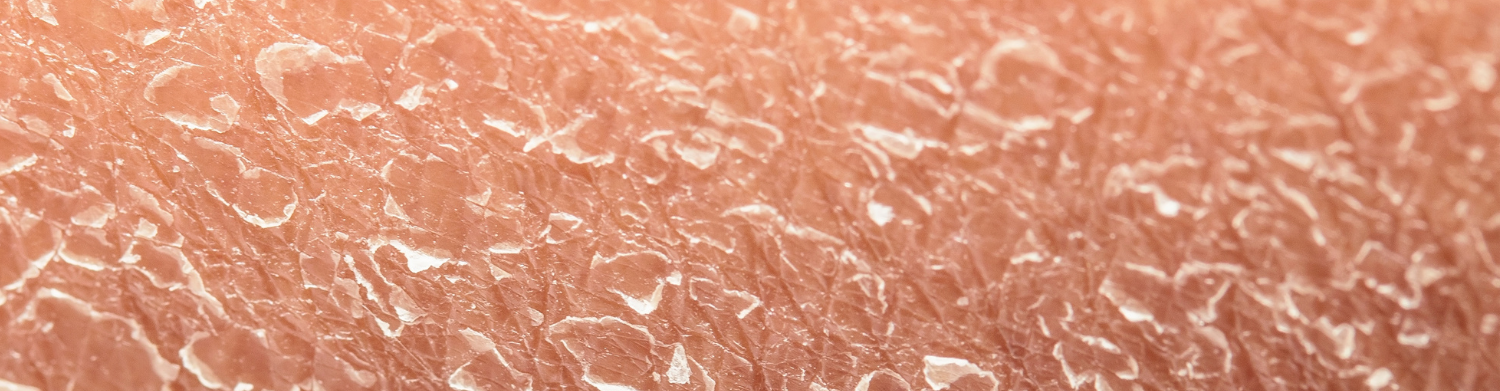
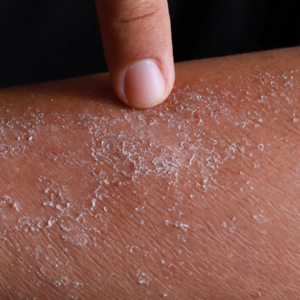
The most common symptom of eczema is itchy skin, which may become worse at night or during flare-ups. The skin may also appear dry, cracked, or rough to the touch.
Visible changes often include a red or inflamed eczema rash, which may occur in patches across different areas of the body. Over time, frequent scratching can cause the skin to become thicker or scaly.
The location of symptoms often depends on age. In infants, atopic dermatitis symptoms commonly appear on the face or scalp.
In children, eczema frequently affects areas such as the inside of the elbows or behind the knees. Adults may experience symptoms on the hands, neck, eyelids, or other areas of the body.
Flare-ups can vary in severity and frequency.
What Causes Atopic Eczema and Atopic Dermatitis?
Research suggests that atopic dermatitis causes may include genetic changes affecting the skin barrier. When the skin barrier is weakened, it may allow irritants, allergens, and microbes to enter more easily.
The immune system may also respond differently in people with eczema, leading to inflammation and irritation in the skin. Family history of eczema, asthma, or allergies may increase the likelihood of developing the condition.
Certain environmental factors may trigger or worsen symptoms in people with eczema. These triggers can vary from person to person. Common causes of eczema flare-ups may include harsh soaps or detergents, cold or dry weather, allergens such as dust mites or pollen, and stress.
Who Is Most Affected by Atopic Dermatitis?
Atopic dermatitis often begins during infancy or early childhood and is one of the most common skin conditions affecting children. In some cases, symptoms may improve as children grow older. However, the condition can continue into adulthood or develop later in life.
People who have other allergic conditions, such as asthma or hay fever, may also have an increased risk as a result of the atopic triad also known as the atopic march.
Diagnosis and Treatment Approaches for Atopic Dermatitis
A healthcare provider typically diagnoses atopic dermatitis by reviewing a patient’s medical history and symptoms. A physical examination of the skin is also important in diagnosis, and a scored calculator is used to assess the severity of the conditions. They may also discuss flare patterns, triggers, and family history.
Treatment approaches for atopic eczema and atopic dermatitis focus on reducing inflammation, relieving itching, and protecting the skin barrier.
Strategies may include regular moisturizing, avoiding triggers, and medications prescribed to reduce inflammation. Recent research provides clinical evidence supporting the use of probiotics to reduce symptoms of eczema and atopic dermatitis. These findings show that probiotics play a beneficial role in managing inflammatory skin conditions.
If you are experiencing persistent symptoms, speak to your healthcare practitioner for a curated treatment plan.
Living With Atopic Eczema and Atopic Dermatitis
Atopic eczema and atopic dermatitis are chronic conditions, but many people are able to manage symptoms successfully. Because symptoms can vary widely, symptom management plans are usually tailored to each individual. Learning to recognize triggers, maintaining healthy skin care routines, and working with healthcare professionals can help reduce flare-ups and improve your quality of life.
References
Mayo Clinic: Atopic Dermatitis (Eczema) – Symptoms and Causes
Cleveland Clinic: Atopic Dermatitis: Symptoms, Causes & Treatment
NHS: Atopic Eczema – NHS
UCF Health: Eczema vs. Atopic Dermatitis